Asia’s Obama
It’s hard to say which of the maniacal, monumental, and momentous events this week was the most disturbing.
There’s the Iowa caucus fiasco, which relied on an untested app meant to simplify the reporting process, but instead made it feel more like a tortuous trek through the Western wilderness of Leonardo DiCaprio’s The Revenant— a film about a man who dragged his bloody body 200 miles after being gnawed by a grizzly.
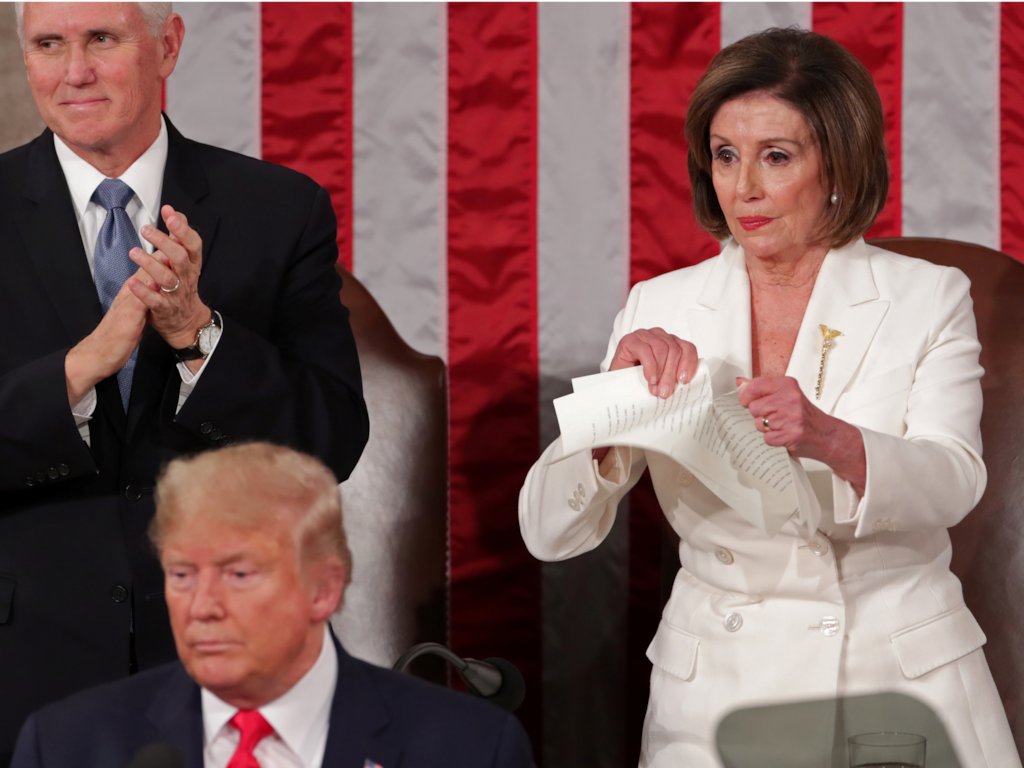
Then there’s Trump’s acquittal by the Senate’s wannabe made men, who everyday defy the laws of physics by standing up straight, despite having no backbone.
And finally, of course, there’s Antarctica which hit 65 degrees on Friday, likely the highest temperature ever recorded on the continent. What? Did you think I was going to say the coronavirus? Or maybe the State of the Union? Or how about Gayle and Kobe?
Nope. Antarctica. Because one day Trump will no longer be president, and we’re still going to have to deal with climate change.
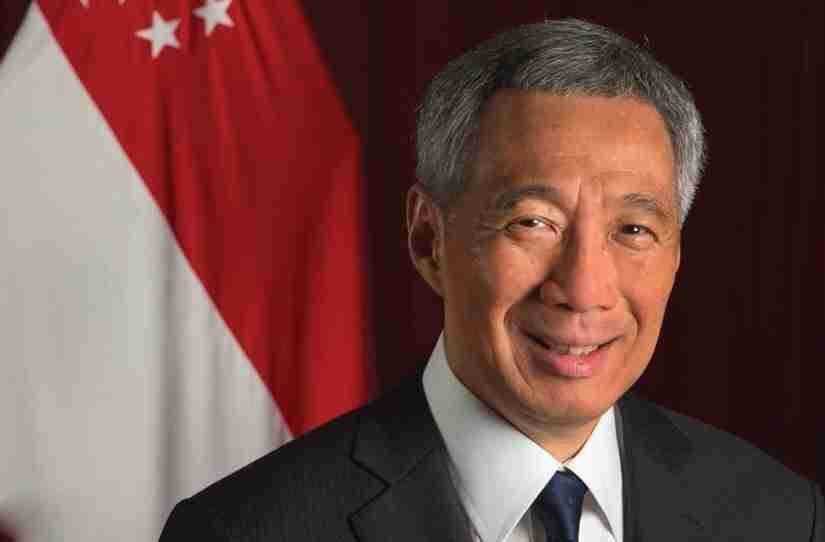
As our leaders—hopefully not on both sides— continue imploding, I have spent my free time this week watching videos of my new favorite head of state, Lee Hsien Loong, the prime minister of Singapore.
I don’t think many who observe him would disagree if I described him as Asia's Obama, his rise to power not withstanding (his father was the previous prime minister). He is thoughtful, well educated, knowledgeable, versed on the facts, diplomatic, eager to make a difference, and clear on who he’s serving, and why.
Prime Minister Lee presides over a country whose prosperity and security depends on the successful management of three factors: The United States, China, and globalization. And for the last 55 years, Singapore has ridden that synergy to prominence— taking its average income from $500USD per year to over $65,000USD per year. But now, as nationalism and populism take hold, and countries pull inward, the prime minister and his government have had to find new ways to ensure stability and economic opportunity for Singaporeans.
To do this, he has taken a more internationally public role, leaning on his relationships with neighboring countries to maintain the trade agreements delivered by the Trans Pacific Partnership (TPP), despite America’s withdrawal. They leverage their status as China’s largest foreign investor to negotiate more favorable terms within Beijing's Belt and Road initiative. And they mitigate the North Korean threat by serving as a neutral staging ground for international negotiations.
These are just a few examples that illustrate good political leadership in action.
While these times are unstable and unwieldy, PM Lee shows me that they do not have to be hopeless or unmanaged. And so, as I decide whom I will vote for in the primaries, one factor I’ll be considering is if the person seems interested in finding and exploiting opportunities for improvement, no matter how the ice caps crumble.
Los Angeles, CA, USA
February 2020