Unforeseeable Consequences
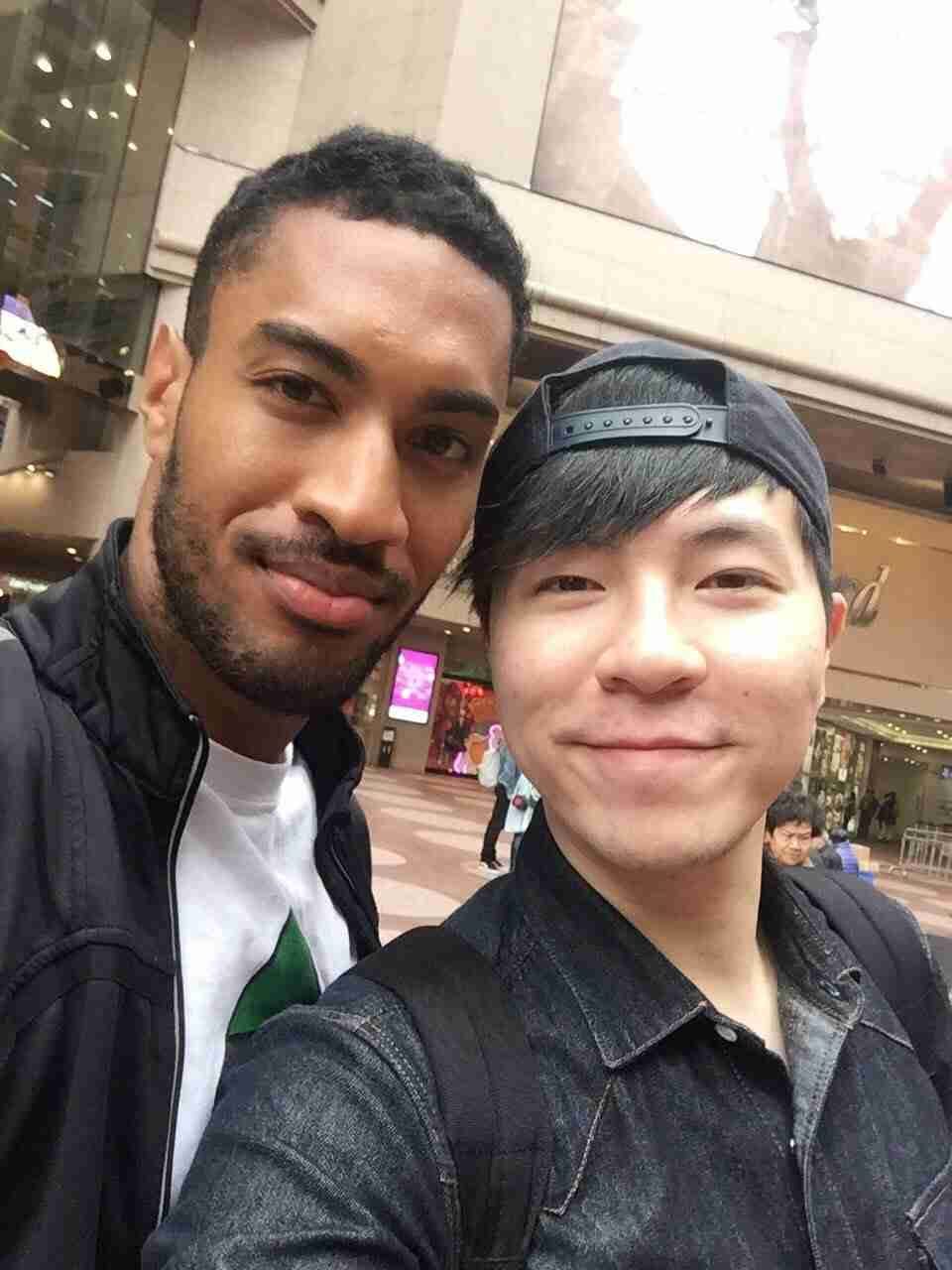
Pak and me
You might be among those who know that this weekly blog/newsletter/whatever came out of a series I did in 2018 while traveling through Asia, called #JajaInAsia. I introduced you to my two friends whom I went there to visit: Andy in Hong Kong, and Vicool in Bangkok. But, one of the people whom I did not mention is Pak.
Pak and I met in Hong Kong. We are nearly the same age and we both work in entertainment. We have similar sensibilities and connected over the importance of stories, media, and culture in shaping the mass understanding of ethics and morality. Over a dinner of Taiwanese style steamed dumplings, braised brisket beef stew with potatoes, and morning glory vegetables Pak and I spoke about his experience being a young person coming of age in a country that would one day be fully consumed by a communist state with distinctly different values and culture.
Pak expressed many of the same sentiments I’d been hearing throughout my trip– from Uber drivers and foreign teachers, to college students and corporate middle managers: While there is a sense of understanding and resignation about the inevitability of their political future, what gets Hong Kongers angry is the sense that Beijing and mainlanders don’t seem to care about respecting or preserving the Hong Kong culture and way of life. In fact, they seem intent on erasing it.
Even passive observers of Hong Kong can see how Beijing is working diligently to absorb the semi-autonomous state into the broader “One China” philosophy. In the last few years, President Xi has opened new connections between the mainland and the island territories as he works to create what the government calls the “Greater Bay Area.” In 2018, he opened the world’s longest sea bridge– a 34-mile structure connecting Macau (the Vegas of Asia), Hong Kong, and the mainland city of Zhuhai. There’s also a direct high speed train from Shenzhen to Hong Kong. (In an interesting twist, the train station in Hong Kong is divided between mainland and Hong Kong territories; and the enforcement of mainland laws, including surveillance, is very strict.)
Beijing is also encouraging integration in more subtle ways, like requiring all schools to teach Mandarin, which is the official dialect of China, and not just Cantonese, which is what Hong Kongers speak. (The foreign teacher told me that his elementary school students speak Mandarin to each other and Cantonese to their parents.)
In the spring of this year, Pak came to LA for work and we were able to catch up. He wasn’t feeling good about Hong Kong. This time over a dinner of spaghetti and meatballs, Pak, who became visibly upset, explained that Beijing had been pressuring their hand-picked chief executive, Carrie Lam, to pass an extradition bill through the legislature that would establish a mechanism allowing fugitives to be extradited to Macau and mainland China, which is currently prohibited by existing laws. He added that the bill, as written, could be interpreted to allow the police to arrest anyone within Hong Kong’s borders, including foreigners, using merely an accusation of a crime. They could then be sent to mainland China for trial.
As we know now, the legislature moved forward with the bill, and millions of people, mostly under 30, took to the streets to peacefully protest the action. After weeks of pressure, Carrie Lam withdrew the bill, but refused to make any amends.
A week ago, a 22 year old student fell from a parking structure during a clash with police and died. It is considered the first death of the movement. A few days later, another unarmed young person was shot in the stomach. He remains in the hospital. The protests which have typically been held on the weekends, because people go to work during the week, have escalated steadily. One of the most prestigious universities in Hong Kong, which for decades have been off limits to police, suspended classes for the rest of the semester after a standoff on campus turned violent— the police sprayed tear gas and shot rubber bullets, and the students threw Molotov cocktails. On Thursday, the government closed all of the schools, including kindergartens, citing security concerns. International businesses are evacuating their employees, foreign students are leaving, and countries are issuing more serious travel warnings to their citizens. On Friday, a 70 year old man died of his injuries after being struck by a flying brick.
I spoke with Pak on Wednesday and I asked him what he thought would happen. He told me that he didn’t know anymore what a good outcome was. I told him that I was afraid that Beijing would send in the military and establish Marshall law. (President Xi publicly expressed support for the police and government, and said that the violence needed to stop.) Pak agreed that it is a possibility, but added that what Hong Kong needs is the support of the international community. That would give them hope.
Let me be frank: When Pak, or anyone, talks about the “international community” they’re talking about America. But we, America, won’t do anything, because Trump is president. This is yet another tragedy of this administration, and a reminder that when choosing our leaders we must always remember that no matter our personal priorities, America’s elections affect lives far beyond our own.
Los Angeles, California, USA
November 2019